The Catawba
A Photographic Analysis of Catawba Women and Their Legacies.
It is no wonder that women play such an important role in Catawba society. After all, in our creation story, the first and only inhabitant of Earth long ago was a Catawba woman who feasted on honey and berries, and from whom all people sprang.
To better tell the story of the Catawba women who shaped and saved the Catawba nation's sovereignty, I have collected a series of images accompanying their stories.
THE LONGHOUSE
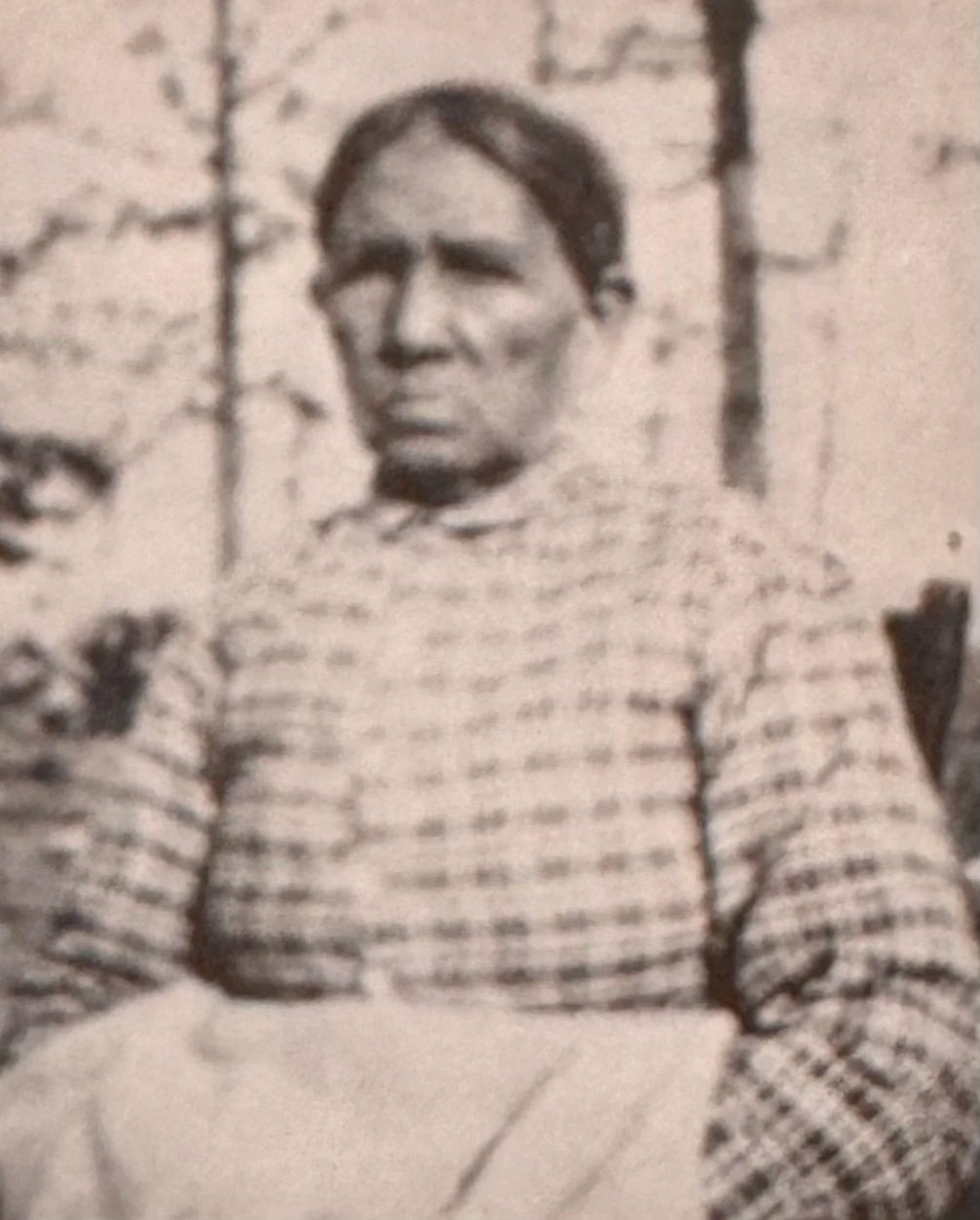
Sally New River was born in a rather tumultuous time for the nation; her father was a white trader, while her mother was the daughter of our greatest leader, Chief Nopkehee, erroneously called King Haigler by his European contemporaries. This connection to the “King” alone granted her standing in the community; after all, every successive chief has claimed some connection to him.
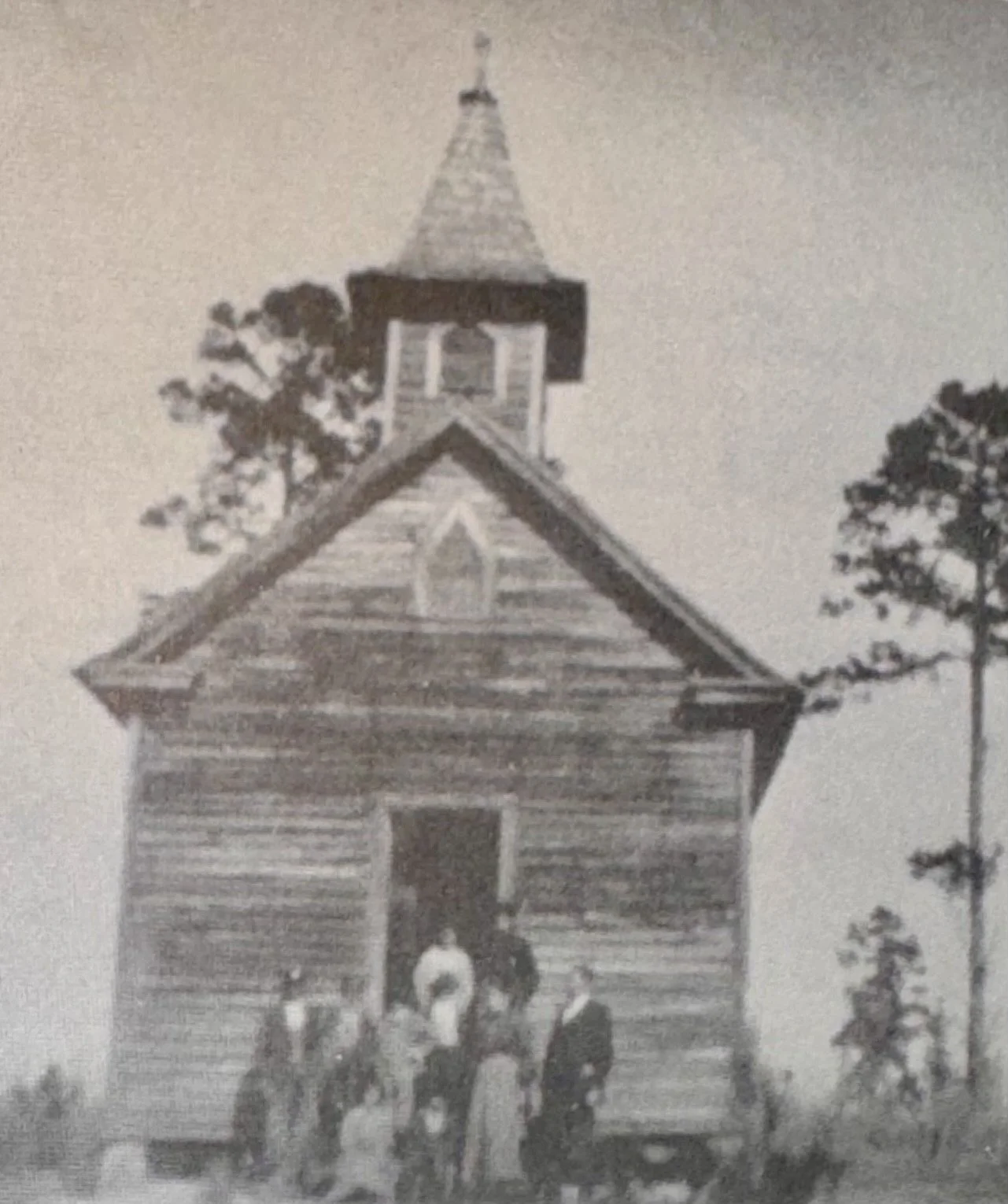
The first of these images is The Longhouse, the center of tribal governance today, and where the general council has met for centuries. The Longhouse stands as a symbol of our tribal sovereignty, a sovereignty that would not exist without a woman by the name of Sally New River.
HER LEGACY
She settled disputes with white settlers, mediated with the federal government, collected rent, and ensured the general council could remain in session. Despite doing all of this in her twilight years, she oversaw two decades of stewardship of Catawba land, passing away in a cabin alongside the same Catawba River she was born on. The spirit of Sally New River and women like her lived on in her descendants, of whom much of the Catawba nation, including myself, claim ancestry.
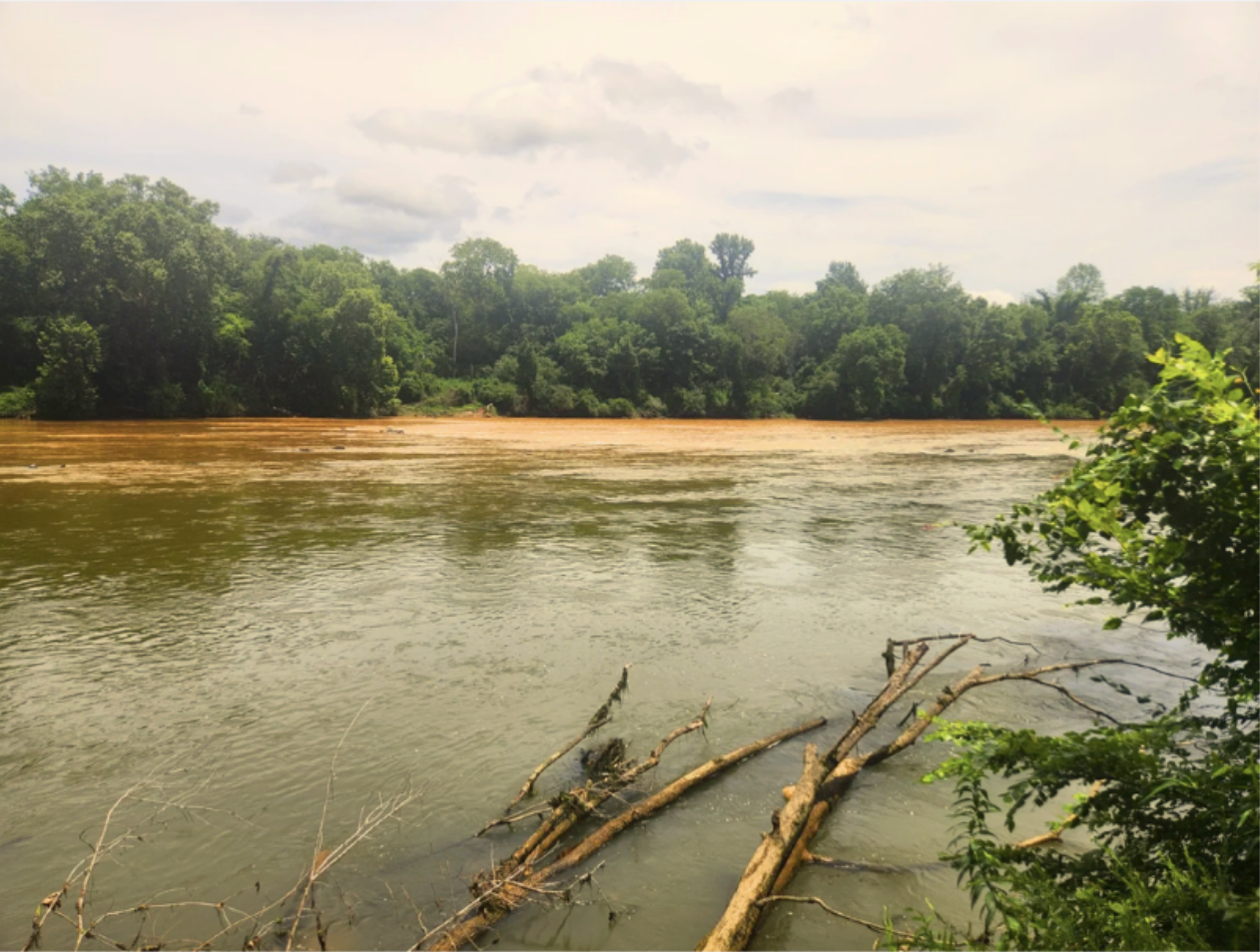
My next image is from the reservation’s river shore, not far from the birthplace of Sally New River, a photo taken from reservation land, which she and her fellow Catawba women helped preserve. By the end of the eighteenth century, the Catawba nation was under threat of losing its tribal sovereignty and land. Sally New River, alongside her husband, General New River, the successor of Chief Nopkehee, and many other Catawba women, took advantage of American legal codes and became our legal steward of 500 acres of Catawba land.
The turmoil of Sally’s generation continued into the late nineteenth century as plagues, starvation, and poverty rocked our communities, not to mention the toll of America’s wars on our young men. The role of women in the community had been greatly denigrated over the century for a multitude of reasons, for example, the rise of Mormonism, or the effects related to Catawba children being sent to Carlisle Indian Industrial School. Yet, the worst of it came in the years leading up, and culminating in, the Great Depression.
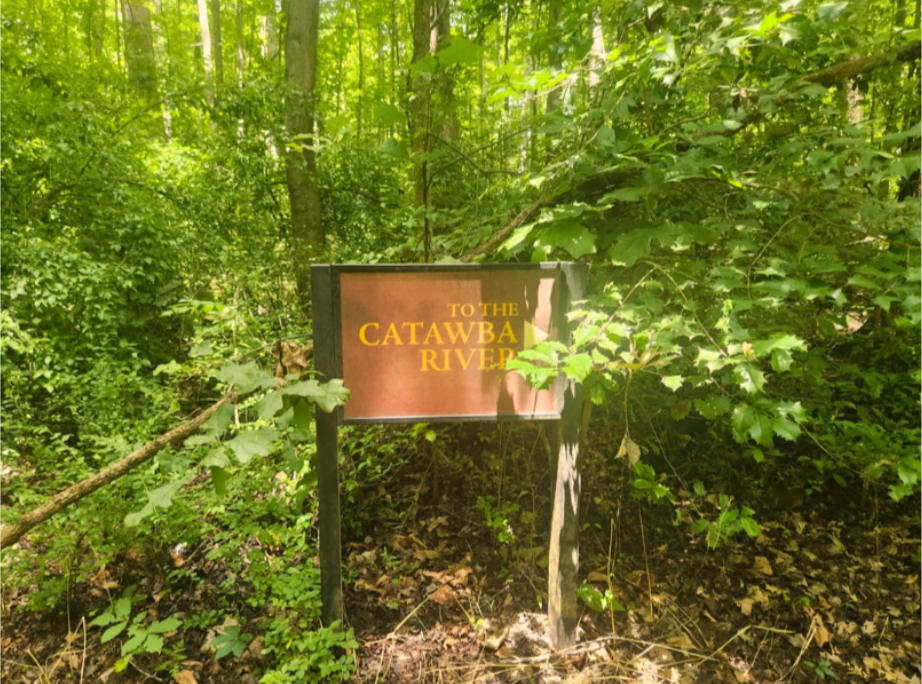
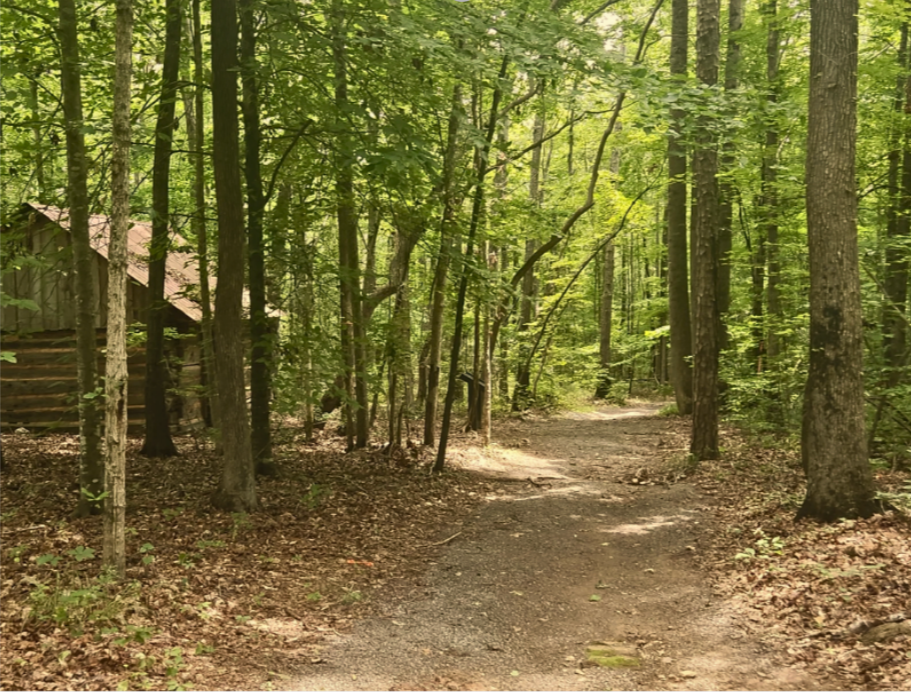
Nevertheless, through my own compilation of oral stories, I know that Catawba women did not sit idly through this poverty despite their newfound dismissal by some Catawba men. The subject of this image is the Pottery Trail, which many Catawba women used before and during the Great Depression. They traversed this terrain to sell pottery to upper-class white families in the suburbs around the Appalachian foothills.
The trail also served as the former entrance to the reservation, and while the trail has been converted to a community walking trail today, at the time, it was the beginning of a deeply dangerous path through Appalachia. During this time, many Catawba women died or were seriously injured to create a source of income for their struggling families.
ARZADA’S LEGACY CONTINUES…
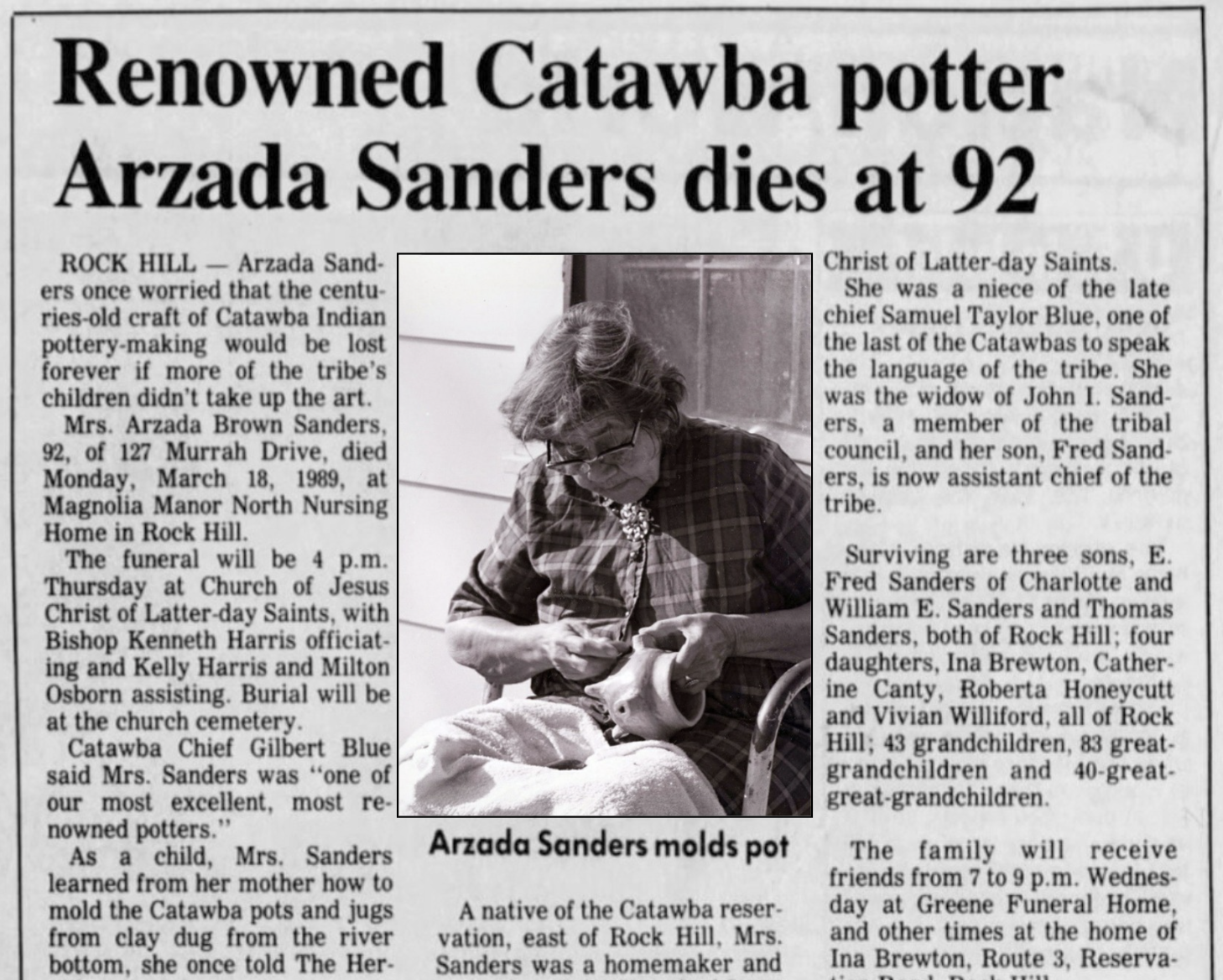
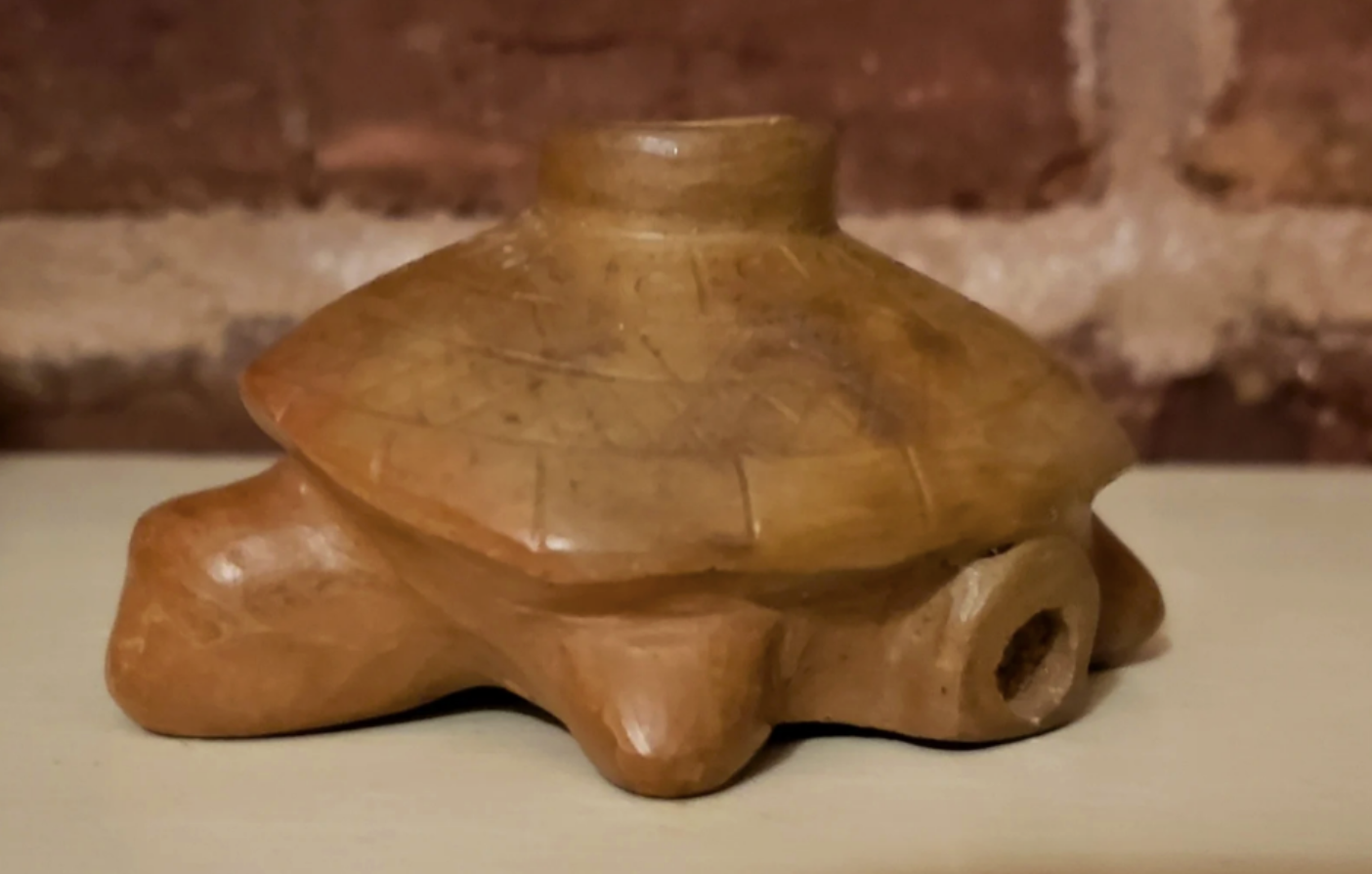
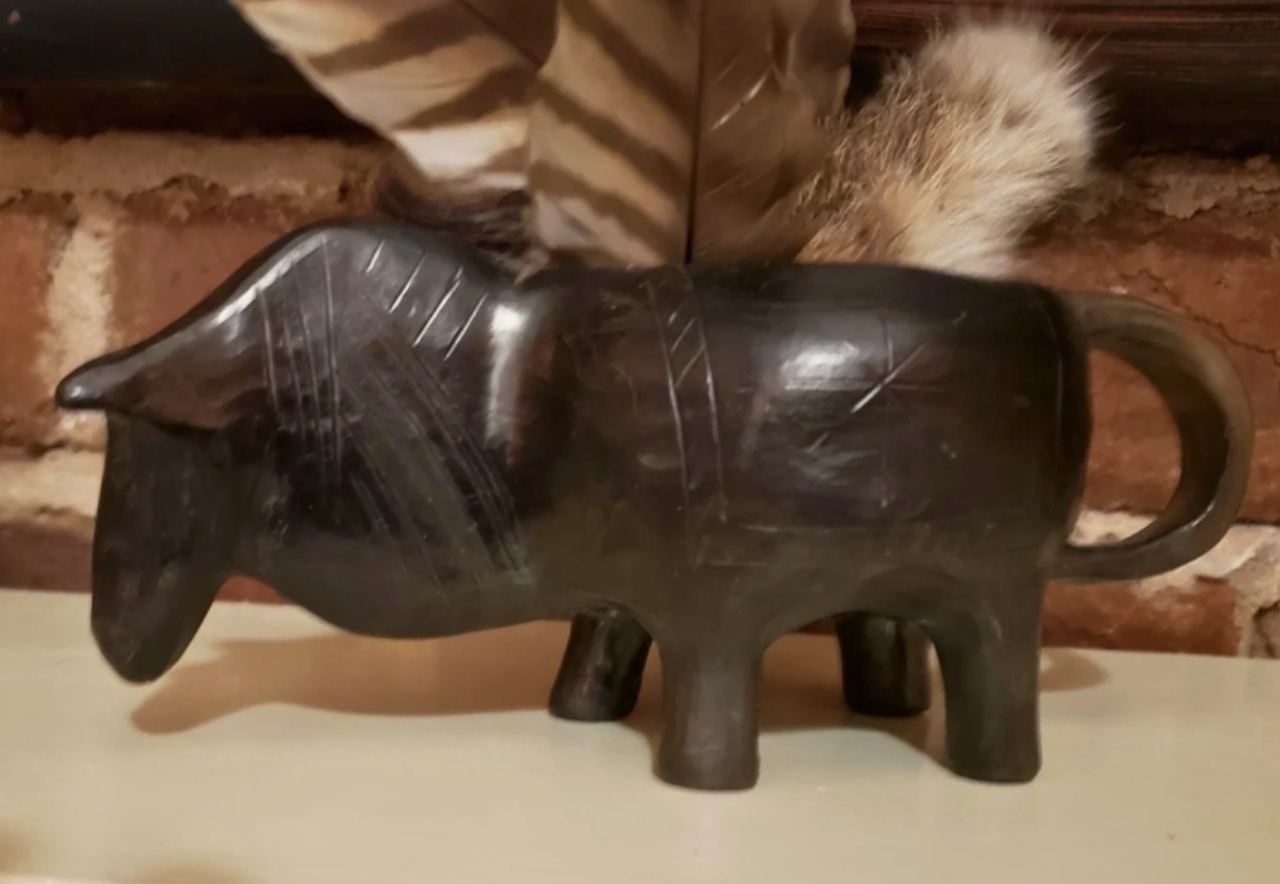
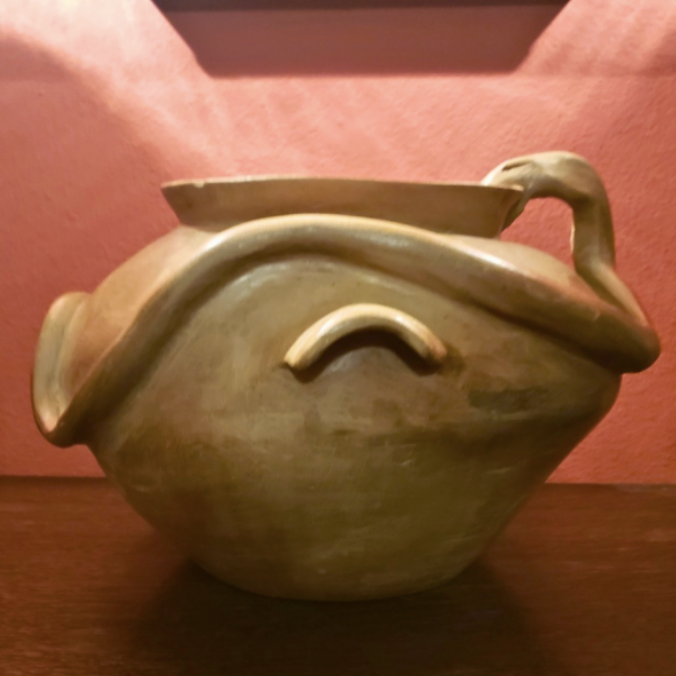
However, the Catawba woman who inspired me to write this story in the first place was my great-grandmother, Master-Potter Arzada Sanders, who is the subject of my next four images. She has the distinction of being the only contemporary Native potter to have her collection on exhibit at the Smithsonian. She lived to ninety-two and instructed numerous Catawba men and women, both within and outside her family, in the art of Catawba pottery. This includes two of my uncles, who have pieces they’ve made through her designs and teachings. She personally preserved century-old designs that, without her, would have been lost to history. Without women like her and Sally New River, Catawba culture and sovereignty would not be what it is today, if it even still existed at all.